Testimonials From Patients Living With COPD: What They Want You to Know

COPD patient testimonials are first-hand accounts from people living with chronic obstructive pulmonary disease, and they usually describe the same things: the daily effort of breathing, the fear of flare-ups, the adjustments that make life manageable, and the moments of progress that keep people going. They matter because they show what a diagnosis feels like in a way a pamphlet never can.
If you’re newly diagnosed, a caretaker, or someone who has lived with COPD for years, these stories can offer reassurance and practical ideas you can bring to your next appointment. For healthcare providers, they’re a direct window into what patients experience between visits. Below, we look at the themes that come up most often, how patient voices can improve care, and how to share and read stories responsibly.
What Are Patient Testimonials, and Why Do They Matter?
Support for Patients and Caretakers
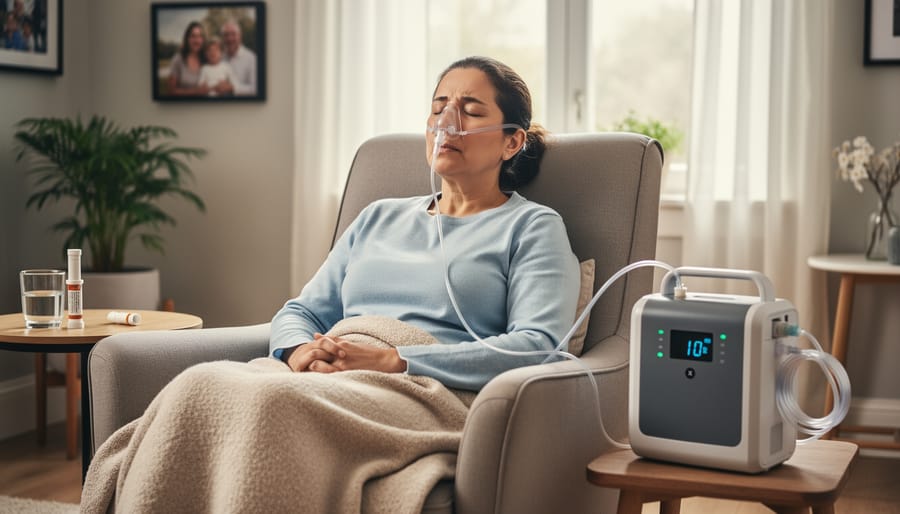
When someone describes living with COPD in their own words, it can feel like a weight lifting. Hearing from people who share your diagnosis shows you that the breathlessness, the worry and the slow days are not something you face alone. Patients often say they wish they had heard these stories sooner, because they would have known what questions to ask and what to expect.
Testimonials from patients also give caretakers a clearer picture of what their loved ones go through. A partner or adult child may see the cough or the fatigue, but not the fear behind them. Reading these accounts helps caretakers respond with more patience and understanding.
These stories also show why patient-centered care matters, since people describe wanting to be heard, not just treated. Everyone’s experience is different, but shared voices help you feel prepared.
Insight for Healthcare Providers
Providers can only fix what they can see, and patient testimonials show them what clinic visits often miss. A story about leaving an appointment still confused about an inhaler, or about waiting weeks for a referral, points to a specific gap in communication, services or support.
When feedback comes straight from patients, it’s easier to spot patterns. If several people describe feeling rushed during discussions about their treatment, that signals a place to slow down, ask more questions or offer clearer written information. Research on patient-centered communication improvements supports this kind of listening as a way to strengthen care.
This is why COPD Canada Patient Network focuses on direct patient-provider communication. By carrying patient voices to healthcare partners, the network helps providers understand what people living with COPD actually need, so services can change in practical, meaningful ways.
Common Themes in What Patients Share
Receiving a Diagnosis and Finding Your Footing
Many people describe the weeks after a COPD diagnosis as a blur. There’s relief at finally having an answer, mixed with worry about what comes next. Patients often say they left the appointment with more questions than they arrived with, and only thought of the important ones on the drive home.
Looking across patient accounts, a few themes come up again and again:
- Getting diagnosed and making sense of the news
- Adjusting daily routines to save energy
- Managing breathlessness in everyday moments
- Looking after emotional wellbeing
- Navigating the healthcare system
Many people also say they wish they had written their questions down before appointments. Bringing a family member or caretaker helped some feel less overwhelmed. Others felt more in control once they learned what their medications do and how to spot changes in their symptoms. Every journey is different, but taking small, practical steps often helped people regain their footing.
Everyday Life, Emotions and Relationships

Patients often describe everyday life with COPD as a balancing act. Many talk about pacing themselves: spreading chores across the day, sitting down to rest between tasks, and planning the most demanding activities for when they have the most energy. Small changes like these can make a big difference, and people frequently say they wish they had learned them sooner.
The emotional side comes up just as often. Living with a long-term condition can bring frustration, worry, or sadness, especially on difficult days. Patients commonly mention feeling anxious about breathlessness or grieving things they used to do easily. Many also say that naming these feelings, rather than hiding them, helped them cope.
Relationships matter too. Patients often credit family, friends, and caretakers for practical help and for simply listening. At the same time, many say it helped to tell loved ones what they actually need, whether that’s a slower walking pace or a quiet afternoon. Every person’s experience is different, but open conversation is a common thread.
Working With Your Care Team
Many patients say the biggest difference in their care comes down to how a conversation feels. When a doctor or nurse takes time to listen, patients describe feeling like partners in their own care rather than passive recipients of instructions. Being asked “What matters most to you?” or having a provider repeat back their concerns often makes people feel heard.
Patients also talk about what they wish had gone differently. Some felt rushed during appointments and left with unanswered questions. Others wished someone had explained terms like “exacerbation” (a sudden flare-up of symptoms) in plain language. Many say they wish they had known it was okay to bring a written list of questions, or a caretaker, to appointments.
These accounts point to a simple takeaway: speaking up helps. If something is unclear, ask your care team to explain it again.
How Patient Voices Shape Better Care

Patient stories only change care when someone carries them to the people who can act on them. That is a big part of what COPD Canada Patient Network does. It gathers feedback from people living with COPD and their caretakers, then shares those perspectives with healthcare partners so services and support can keep getting better.
The goal is simple: make sure the people who design and deliver care understand what it is really like on the other side of the appointment. When a patient explains that a conversation felt rushed, or that a certain kind of information would have helped sooner, that insight gives providers something concrete to work with. It also reinforces how valuable it is when your care team hears directly from you about what is working and what is not.
The network works alongside health organizations, which helps patient perspectives reach the conversations where decisions about care are discussed. It also offers educational programs for caretakers, recognizing that family members and friends play a major role in day-to-day life with COPD and often need guidance and support of their own.
Patients have ways to take part, too. Engagement opportunities let people share their experiences, ask questions, and connect with others who understand. You do not need to be an expert or have a perfect story. Your everyday experience is the expertise that matters here.
Every voice adds to a fuller picture of life with COPD in Canada. By sharing what you have lived through, you help make care more responsive for the next person who receives a diagnosis.
Tips for Sharing Your Own Story
Sharing your story with COPD doesn’t need to be polished or dramatic. Whether you’re a patient or a caretaker, your experience can help someone else feel less alone, and it can show healthcare providers what really matters to the people they serve. Reading other COPD patient stories can also give you a sense of the many different ways people choose to tell theirs.
Here’s a simple way to get started:
- Take a quiet moment to reflect on your experience, such as your diagnosis, a hard day, or something that made life easier.
- Decide on one main point you’d like others to take away, like what helped you feel in control or what you wish had been different.
- Jot down a few notes in your own words. Short and honest is better than long and formal.
- Choose how much personal detail feels right. You can leave out your full name, location, medication names, or anything else you’d rather keep private.
- Read it over and remove anything that feels too personal, then share it when you’re ready.
You’re always in charge of what you share and how. Focusing on what has helped, or what could improve, tends to be the most useful for other readers and for care teams. Your story doesn’t have to cover everything, and it doesn’t have to follow a set format.
There’s no right or wrong way to tell it. If a question about your care comes up while you’re writing, bring it to your healthcare provider. Your voice matters, and sharing it is one way to take an active role in your own health.
Reading Testimonials With a Balanced Mindset
Every story you read is one person’s experience. Someone may describe a breathing routine that worked wonders for them, or a treatment that changed their days. That is valuable to hear, but it is not medical advice, and it may not suit your situation. COPD affects people differently, and what helps one person can be wrong for another, depending on their health, their other conditions and their medications.
So, what should you take from a testimonial? Take the encouragement. Take the questions it sparks and the feeling of being understood. If a story makes you wonder about a new approach, treat it as a starting point for a conversation rather than a plan to follow on your own. Please don’t change your medications, oxygen use or daily routine because of something you read.
Instead, write down what caught your attention and bring it to your next appointment. Ask your doctor, nurse or pharmacist whether it could make sense for you. A good care team welcomes these questions, and your input helps shape the care you receive. Providers who practice empathy in healthcare listen to your concerns and explain your options clearly. You know your body best, and your care team knows your medical history. Together, you can decide what is right for you.
Testimonials from patients do something no pamphlet can. They show people living with COPD that they are not alone, and they remind caretakers what daily life can really look like. They also give healthcare providers a clearer view of what patients need, from better communication to more practical support. Most of all, they put patients at the centre of the conversation.
Every story is personal, and none replaces medical advice. Still, hearing from others can help you feel understood and ready to ask better questions.
If you’re ready, connect with COPD Canada Patient Network to learn about educational programs, engagement opportunities and ways to be heard. Share your own experience if and when it feels right, in whatever way is comfortable for you. And keep talking openly with your care team about what you’re feeling and what you need. Your voice matters, and it can make a difference for you and for others.