When Hoarding Endangers Your Lungs: Health Risks for COPD Patients and Caregivers
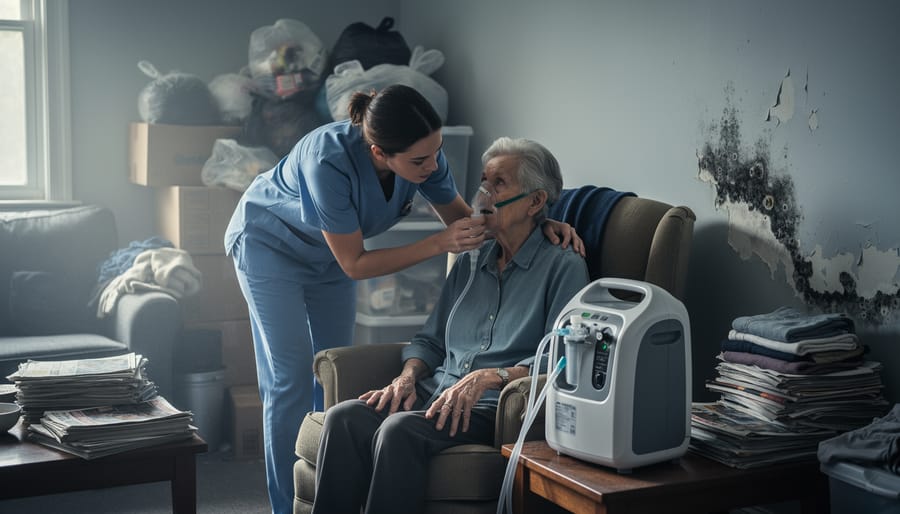
Caring for someone with COPD in a home affected by hoarding creates a dangerous collision of respiratory vulnerability and environmental hazards. The clutter that accumulates in hoarding situations traps dust, mold spores, pet dander, and other airborne irritants that directly threaten already compromised lungs. For caregivers, recognizing when a living space has become medically unsafe isn’t about judgment. Some families ultimately need to sell a hoarders house to ensure safety, but understanding the full scope of risks comes first. It’s about protecting your loved one’s ability to breathe.
The stakes are measurably higher when COPD enters the picture. While hoarding affects roughly 2-6% of the general population, the respiratory risks multiply dramatically for someone managing chronic lung disease. Blocked pathways prevent quick access to oxygen equipment during flare-ups. Piles of belongings become breeding grounds for bacteria and fungi. Even the stress of navigating a cluttered environment can trigger breathing difficulties.
Many caregivers face an agonizing question: when does supporting someone’s autonomy cross into enabling a health emergency? That difficult decision comes only after exhausting compassionate alternatives and recognizing the specific health dangers.
This article maps the specific health dangers hoarding poses to COPD patients, offers communication strategies that respect dignity while prioritizing safety, and outlines practical steps you can take starting today. You’re not alone in this challenging intersection of caregiving, and informed action can make breathing easier for everyone involved.
Understanding Hoarding Disorder and COPD: A Dangerous Combination
Hoarding disorder is a complex mental health condition characterized by persistent difficulty discarding possessions, regardless of their actual value. People with hoarding disorder experience intense emotional attachment to items and significant distress at the thought of parting with them. This isn’t simply a matter of being messy or disorganized. The accumulation becomes severe enough to congest living areas, prevent normal use of spaces, and create genuine safety hazards.
Research shows hoarding disorder becomes more prevalent with age. Among adults over 60, the condition affects approximately 6% of the population, compared to 2-3% in younger age groups. Several factors contribute to this increase: cumulative life experiences and attachments, cognitive changes that affect decision-making, decreased physical ability to maintain organization, and social isolation that reduces outside perspectives on the living environment.
For individuals managing COPD, hoarding presents a particularly dangerous combination. COPD already compromises lung function, making patients more vulnerable to respiratory triggers and infections. A hoarding environment essentially transforms the home into a constant source of these very threats. The clutter traps allergens, prevents adequate air circulation, and makes even basic respiratory hygiene practices difficult to maintain.
The psychological aspects create additional complexity. Many people with hoarding disorder also experience anxiety, depression, or obsessive-compulsive tendencies. For COPD patients, the stress of managing a chronic illness can intensify these underlying conditions. Someone might hold onto medical equipment “just in case,” accumulate medications beyond their expiration dates, or resist decluttering because it feels overwhelming when breathing itself requires so much energy.
The emotional burden often prevents people from seeking help. Shame about their living conditions, fear of judgment from healthcare providers, or worry that family members will take control can keep both patients and caregivers trapped in silence. Understanding that hoarding stems from genuine psychological difficulty, not laziness or apathy, is the first step toward finding solutions that protect respiratory health without dismissing the person’s emotional reality.
Direct Health Risks of Hoarding Environments for COPD Patients
Poor Air Quality and Respiratory Triggers
For COPD patients, the air they breathe isn’t just important, it’s everything. A hoarding environment transforms what should be a safe home into a minefield of respiratory triggers that can turn mild symptoms into serious exacerbations.
When belongings pile up, they create layers of surfaces where dust settles and accumulates undisturbed for months or years. Each item, from stacked newspapers to piles of clothing, acts like a sponge, capturing and holding airborne particles. In a typical home, regular cleaning disrupts this buildup, but in hoarding situations, these dust reservoirs grow continuously. For someone with COPD, walking through a cluttered room can kick up clouds of household dust and irritants that immediately irritate already-damaged airways.
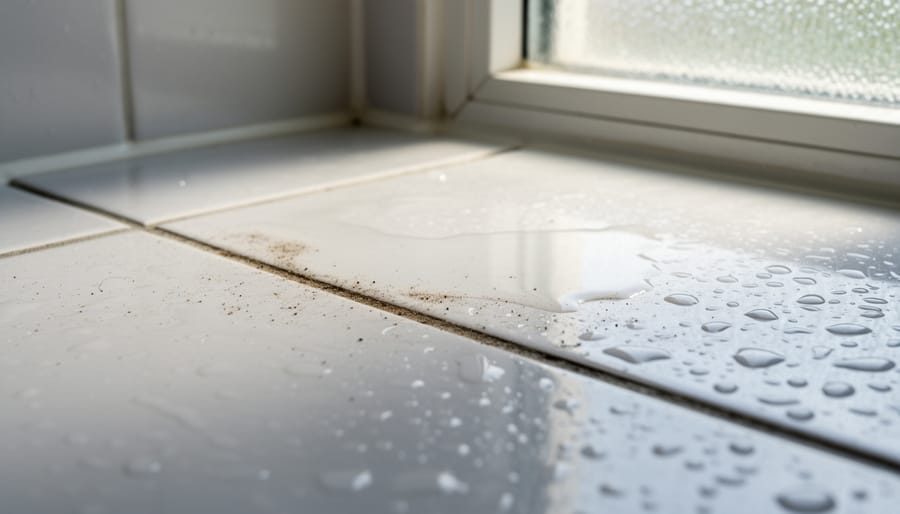
The problem compounds when moisture enters the equation. Clutter blocks airflow and creates pockets where humidity gets trapped. These dark, stagnant spaces become ideal breeding grounds for mold and mildew, which release spores that inflame bronchial passages and trigger coughing fits, increased mucus production, and shortness of breath.
Common respiratory irritants flourishing in hoarding environments include:
- Dust mites and their waste products, which thrive in fabric piles and mattresses
- Mold spores from moisture trapped behind boxes and furniture
- Pet dander embedded in carpets and upholstered items
- Volatile organic compounds released from deteriorating paper, cardboard, and plastics
- Rodent droppings and urine, which can become airborne when disturbed
Ventilation becomes nearly impossible when windows are blocked by stacks of belongings and air can’t circulate freely. Standard HVAC systems struggle to filter air that can’t reach the vents. This stagnant air means that whatever irritants are present stay suspended and concentrated, constantly re-exposing vulnerable lungs to triggers that healthy individuals might barely notice but that send COPD patients spiraling toward respiratory distress.

Increased Infection Risk and Compromised Hygiene
Hoarding environments create ideal conditions for harmful microorganisms to flourish, putting COPD patients at severe risk. When clutter covers surfaces and fills rooms, thorough cleaning becomes impossible. Caregivers can’t reach countertops to disinfect them, vacuum carpets buried under belongings, or wipe down bathroom fixtures hidden behind stacked items. This allows bacteria, viruses, and fungi to multiply unchecked.
Spills and moisture trapped beneath piles of objects never properly dry, creating breeding grounds for mold and mildew that release spores into the air. Food items forgotten among clutter attract pests, rodents and insects that leave droppings and spread disease. Even everyday items like tissues, unwashed dishes, and soiled linens accumulate because there’s simply no clear path to dispose of waste properly or access washing facilities.
For someone with COPD, this contaminated environment is particularly dangerous. Respiratory infections that might cause minor discomfort in healthy individuals can trigger severe exacerbations in COPD patients, requiring hospitalization and potentially causing permanent lung damage. Research shows that people with COPD experience more frequent infections and take longer to recover from them.
The compromised immune function that often accompanies advanced COPD means these patients lack the robust defenses needed to fight off the constant microbial assault in hoarding environments. Simple infections spiral into pneumonia or bronchitis, each episode further damaging already vulnerable lungs and accelerating disease progression.
Limited Mobility and Emergency Access
Cluttered living spaces present immediate physical dangers for COPD patients whose lung capacity already limits their physical capabilities. When stacks of belongings obstruct hallways, doorways, and living areas, what should be simple movements become hazardous navigation exercises that strain breathing and increase injury risk.
The most obvious danger is falls. COPD patients often experience shortness of breath, dizziness, and reduced muscle strength, conditions that already make them unsteady on their feet. When they must step over boxes, squeeze between furniture piles, or navigate unstable stacks of items, the fall risk multiplies. A fall that might cause minor bruising in a healthy person can trigger a serious medical crisis for someone with COPD, potentially breaking ribs and compromising already-limited breathing capacity.
Blocked pathways also create barriers to essential medical equipment. Many COPD patients rely on portable oxygen concentrators, nebulizers, or rescue inhalers that must be quickly accessible during breathing emergencies. When these items are buried under clutter, tucked behind stacks of belongings, or separated from the patient by impassable obstacles, a manageable symptom flare can escalate into a life-threatening emergency.
Time matters profoundly during COPD crises. When a patient cannot catch their breath, every second counts. If paramedics arrive but cannot navigate through rooms packed floor to ceiling, or if they can reach the patient but cannot safely transport them out due to blocked exits, the delay can prove fatal. Even routine medical visits become complicated when home healthcare providers cannot access the patient safely to perform necessary assessments, administer treatments, or monitor oxygen levels. The physical barriers created by hoarding don’t just inconvenience, they actively endanger lives by preventing the rapid response that respiratory emergencies demand.
Health Risks for COPD Caregivers in Hoarding Situations
Caregivers supporting COPD patients in hoarding environments face significant health threats that often go unrecognized. The same conditions that endanger patients, poor air quality, accumulated dust, mold spores, and restricted movement, impact those providing daily care. Since caregivers spend extended periods in these spaces, their exposure to respiratory irritants can be substantial and prolonged.
Respiratory symptoms develop commonly among caregivers working in hoarded homes. Chronic coughing, wheezing, shortness of breath, and sinus congestion appear frequently, particularly in those without pre-existing lung conditions. For caregivers who already have asthma or other respiratory issues, these environments can trigger serious exacerbations. The irony isn’t lost: those caring for someone with a respiratory disease risk developing breathing problems themselves.
Physical injuries present another major concern. Navigating cluttered pathways while assisting with mobility, carrying supplies, or responding to emergencies creates constant fall and injury risks. Caregivers report twisted ankles, strained backs from awkward movements around obstacles, and cuts or bruises from unstable piles of belongings. These injuries often go unreported because caregivers prioritize their patient’s immediate needs over their own wellbeing.
The mental health toll compounds physical risks. Caregivers frequently experience anxiety about their loved one’s safety, frustration over the inability to create change, and guilt when considering external intervention. This chronic stress affects the caregiver experience profoundly, leading to burnout, depression, and deteriorating health that ultimately limits their ability to provide effective care.
Infection risk increases for caregivers as well. Difficulty maintaining proper hand hygiene in cluttered bathrooms, exposure to vermin droppings, and contaminated surfaces all create pathways for illness. When caregivers become sick, the entire care system breaks down, the COPD patient loses essential support during a vulnerable period.
Social isolation often accompanies caregiving in hoarding situations. Shame or embarrassment about the home’s condition prevents caregivers from inviting respite help, further increasing their burden. This isolation removes crucial support networks precisely when they’re needed most.
Recognizing these caregiver health risks isn’t selfish, it’s essential. A caregiver who develops respiratory problems, sustains injuries, or experiences burnout cannot effectively support their COPD patient. Protecting caregiver health directly benefits patient outcomes and creates the foundation for addressing the hoarding situation constructively.

Communicating Concerns: A Patient-Caregiver Dialogue Approach
Conversations about hoarding need careful preparation, but they are essential for protecting respiratory health. Start from a place of genuine concern rather than frustration. Choose a calm moment when the COPD patient feels well, not during or immediately after a breathing crisis.
Frame the discussion around specific health observations. “I’ve noticed you’ve been coughing more” or “Your shortness of breath seems worse since we couldn’t clean the bedroom” connects the environment directly to symptoms without attacking the person. This patient-and-family centered approach recognizes that the person with COPD understands their body best.
Avoid language that blames or shames. Instead of “You need to throw things out,” try “Can we work together to make your breathing easier?” Ask open-ended questions: “What matters most to you in this room?” or “Which items help you feel safe?” Understanding the emotional attachment to possessions reveals what drives the behavior and opens pathways to compromise.
For COPD patients, speaking up about your needs matters tremendously. Tell your caregiver which spaces cause the most breathing difficulty, and which items you absolutely cannot part with. This honesty helps prioritize efforts. If discussing the clutter feels overwhelming, start by talking about how you feel physically in different areas of your home.
Set small, specific goals together. “Let’s clear a path to the oxygen concentrator this week” works better than “We need to clean the whole house.” Celebrate each achievement, no matter how modest it seems. These principles of people-centered healthcare apply at home just as much as in clinical settings.
Consider sharing experiences from others who have faced similar challenges. Hearing a real patient story about managing COPD in difficult circumstances sometimes breaks through resistance when direct conversations stall. If discussions consistently lead to conflict or shutdown, a therapist experienced in both hoarding disorder and chronic illness can mediate and provide professional guidance tailored to your situation.
Steps Toward Creating a Safer Environment
Improving a hoarding environment for someone with COPD requires patience, planning, and a realistic approach. Rather than attempting a complete transformation overnight, focus on incremental changes that prioritize respiratory health and safety. Small victories build momentum and confidence while reducing the stress that often triggers hoarding behaviors.
**Start with a Safety-First Approach**
The goal isn’t perfection. It’s creating conditions where the COPD patient can breathe more easily, access their medical equipment, and move safely through their home. Begin by identifying the most critical health and safety concerns, then work through them methodically:
- Clear pathways to exits and emergency access routes. Create a minimum 36-inch wide path from the bedroom to the front door and bathroom. Emergency responders need this access, and falls caused by obstacles are preventable hazards that can lead to serious complications for someone with limited lung function.
- Ensure unobstructed access to oxygen equipment, medications, and medical supplies. The area around oxygen concentrators, nebulizers, and medication storage should be completely clear. Oxygen equipment needs proper ventilation to function safely, and during a COPD exacerbation, every second counts.
- Remove items that pose immediate respiratory threats. Prioritize anything moldy, water-damaged, or generating visible dust. Old newspapers, cardboard boxes that have gotten damp, and piles of fabric or bedding often harbor allergens and irritants that directly impact breathing.
- Improve ventilation in the most-used rooms. Open windows regularly, even for short periods. Clear space around heating and cooling vents. If air purifiers are available, position them where the patient spends the most time, ensuring nothing blocks airflow.
- Establish clutter-free zones for daily activities. Designate the bed, a seating area, and kitchen workspace as places that stay clear. These zones become anchors of safety and can gradually expand as progress continues.
- Create a simple system for managing incoming items. The “one in, one out” rule helps prevent re-accumulation. When something new enters the home, something similar leaves. This maintains progress without feeling restrictive.
**Work in Short Sessions**
Hoarding cleanup is emotionally exhausting for everyone involved. Limit sorting sessions to 20 or 30 minutes, focusing on one small area at a time. A single cleared shelf or corner of a room represents real progress. Schedule these sessions when the COPD patient has the most energy, typically mid-morning after medications have taken effect.
Take before-and-after photos to document improvements. Visual evidence of progress combats the feeling that efforts aren’t making a difference, which both patients and caregivers commonly experience.
Remember that setbacks happen. Someone with hoarding disorder may bring items back or resist further changes. Rather than viewing this as failure, treat it as part of the process and refocus on the health priorities that matter most.
When Professional Help Becomes Necessary
Recognizing when informal efforts aren’t enough requires honest assessment of both safety and wellbeing. If respiratory symptoms worsen despite medical treatment, if the patient experiences repeated infections or COPD exacerbations linked to the home environment, or if emergency responders cannot safely access the person during a crisis, professional intervention has become necessary rather than optional.
Mental health professionals specializing in hoarding disorder offer evidence-based treatment, typically cognitive behavioral therapy tailored for compulsive acquiring and difficulty discarding. This addresses the underlying psychological patterns rather than just the physical clutter. Occupational therapists can assess the home environment specifically for COPD patient needs, identifying modifications that improve both safety and independence while respecting attachment to possessions.
Professional organizers trained in hoarding situations work differently from standard decluttering services. They understand the emotional complexity, move at the patient’s pace, and focus on harm reduction rather than perfection. Many work alongside mental health providers as part of a coordinated team approach.
In cases where the living space cannot be made safe despite these interventions, relocation becomes a health imperative rather than a choice. For COPD patients in the UK facing this difficult reality, specialized services exist that understand the unique challenges of selling a hoarder’s house. These companies handle clearance with sensitivity, manage the property sale process, and can coordinate with healthcare providers to ensure the transition supports rather than destabilizes the patient’s condition.
The decision to involve professionals often brings relief rather than intrusion. Caregivers shouldn’t view this as personal failure but as accessing appropriate resources for a complex situation. Most importantly, earlier intervention typically yields better outcomes. Waiting until a crisis forces action limits options and increases stress for everyone involved.
Living with COPD in a hoarding environment creates a dual challenge that affects both mental and physical health. Recognizing hoarding disorder as a legitimate mental health condition, not a character flaw, is the first step toward creating meaningful change. For COPD patients, these cluttered spaces aren’t just uncomfortable, they’re medically dangerous, turning everyday environments into respiratory hazards that can trigger exacerbations and accelerate disease progression.
The path forward starts with honest conversation. Talk openly with your healthcare provider about your living situation. They can connect you with support and advocacy resources, mental health professionals who understand hoarding, and practical services that can help. Asking for help demonstrates strength and self-awareness, not weakness.
You have more control than you might think. Small environmental changes, even clearing a single pathway or improving ventilation in one room, can reduce respiratory triggers and lower your infection risk. Every step toward a safer space is a step toward better breathing and improved quality of life. Your health matters, your safety matters, and taking action to protect both is an essential part of managing COPD successfully.