What Is Empathy in Healthcare (and Why Does It Matter for COPD Patients)?

Empathy in healthcare is the ability of providers to understand and respond to a patient’s emotional, physical, and psychological experience during illness and treatment. For people living with what COPD is a progressive lung disease that affects breathing and daily function, empathetic care can mean the difference between feeling abandoned in your struggle and finding genuine partnership in managing your condition.
The question isn’t whether empathy feels nice. It’s whether it actually changes outcomes. Research confirms that it does. Patients who experience empathetic care show better adherence to treatment plans, reduced anxiety and depression, improved symptom management, and higher satisfaction with their healthcare experience. For COPD patients specifically, where breathlessness can trigger panic and limitations affect quality of life, a provider who truly understands the emotional weight of the disease provides more than comfort. They provide better care.
This article explains what empathy means in concrete terms, how it functions in patient-provider interactions, and which types of empathetic behaviors make the biggest difference. You’ll learn to recognize empathy in practice, understand why it influences health outcomes, and gain tools to advocate for the kind of care that addresses both your medical needs and your lived experience with COPD. Because managing a chronic respiratory condition requires more than prescriptions. It requires a healthcare team that sees you as a whole person, not just a diagnosis.
What Is Empathy in Healthcare?
Empathy in healthcare is the ability to understand and share in a patient’s feelings, experiences, and perspectives while maintaining the professional boundaries necessary to provide effective care. It’s more than feeling sorry for someone or imagining what you might feel in their situation, it’s actively working to see the world through the patient’s eyes and recognize what their illness, symptoms, and treatment journey mean to them personally.
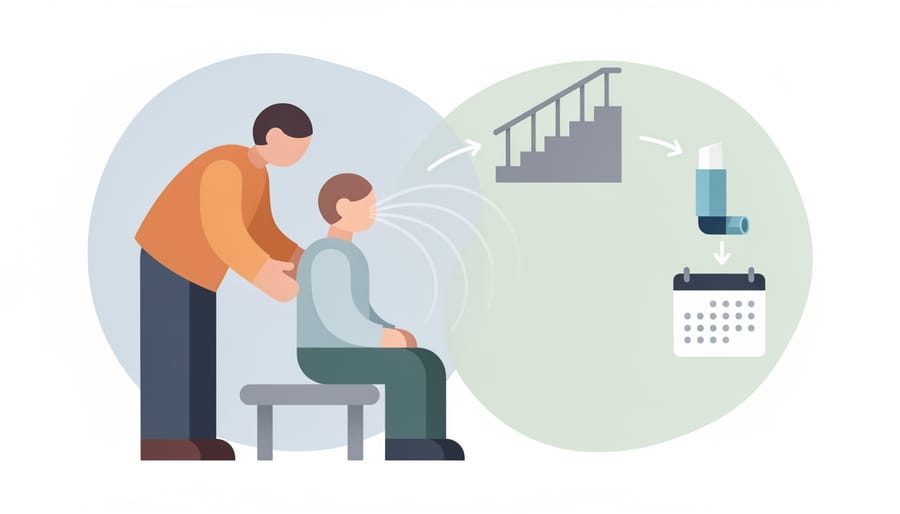
Healthcare empathy requires providers to temporarily step into the patient’s reality: what it feels like to struggle for breath with every flight of stairs, the anxiety of wondering whether today will bring an exacerbation, or the frustration of giving up activities that once defined who you are. This understanding then informs every aspect of care, from how providers explain treatment options to how they respond when patients express fear or confusion.
- Empathy
- The capacity to understand and share another person’s feelings and perspective, leading to responsive, patient-centered care that acknowledges the individual’s unique experience.
- Sympathy
- Feeling pity or sorrow for someone else’s situation from an outside perspective, without necessarily understanding their experience or taking action to help.
- Cognitive Empathy
- The intellectual understanding of what a patient is experiencing and thinking, allowing providers to grasp the practical and emotional challenges of living with COPD.
- Emotional Empathy
- The ability to feel alongside the patient, recognizing and validating their emotions such as fear, frustration, or grief about declining lung function.
- Compassionate Care
- Empathy combined with action, using understanding of the patient’s experience to deliver personalized, supportive treatment that addresses their specific needs and concerns.
The distinction between empathy and sympathy matters enormously in healthcare. Sympathy means feeling sorry for someone from a distance; empathy means standing beside them, understanding their struggle, and using that understanding to guide care. A sympathetic provider might say, “I’m sorry you’re having trouble breathing.” An empathetic provider asks, “What does your breathlessness prevent you from doing that matters most to you?”, and then tailors treatment to address those specific limitations.
How Empathy Works in COPD Care
The Patient-Provider Connection
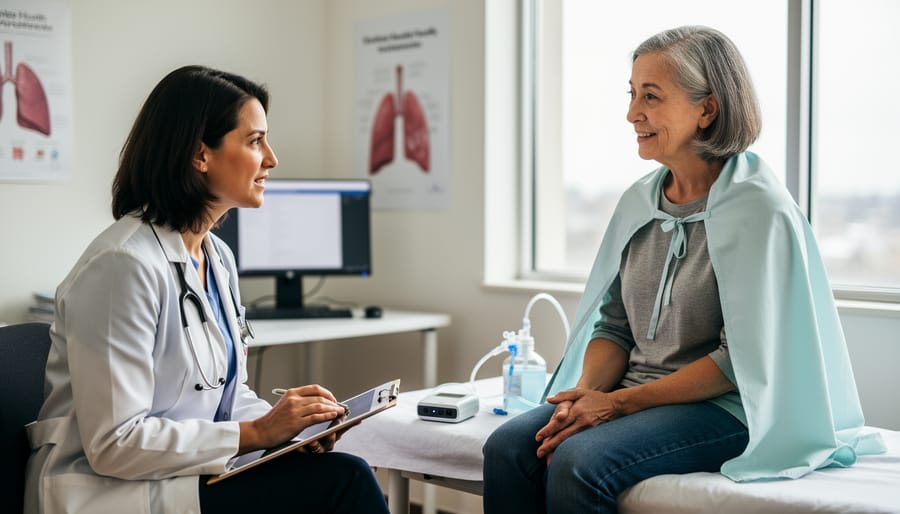
When a healthcare provider genuinely listens to a COPD patient’s concerns about breathlessness during daily activities, something shifts. The patient feels heard rather than dismissed. That shift creates psychological safety, the foundation where trust grows.
Trust matters because COPD management depends on honest communication. Patients who trust their providers are more likely to admit they’ve skipped medications, share anxieties about declining function, or reveal lifestyle factors affecting their condition. Without that openness, providers work with incomplete information and miss opportunities to adjust treatment plans.
Empathy signals that the provider sees the whole person, not just lung function numbers. When a respirologist acknowledges the frustration of needing oxygen during social outings, or a nurse validates the exhaustion that comes with chronic coughing, patients recognize they’re in a partnership. This connection transforms appointments from transactional exchanges into collaborative problem-solving sessions.
The result is a care relationship where patients feel comfortable asking questions, expressing doubts about treatments, and working through barriers to self-management. That openness directly improves outcomes because the healthcare team can address real obstacles instead of assumed ones.
From Understanding to Action
Empathetic understanding becomes meaningful only when it drives concrete changes in care. When a COPD provider truly grasps what breathlessness feels like during daily activities, they don’t just nod sympathetically, they adjust treatment plans to address those specific challenges. A patient who struggles with morning breathlessness might receive medication timing adjustments or techniques for energy conservation during grooming routines.
This translation from listening to action appears in personalized exercise prescriptions. Rather than generic recommendations, an empathetic provider tailors pulmonary rehabilitation programs to fit a patient’s actual home environment, work schedule, and mobility limitations. They might suggest seated exercises for someone with severe leg weakness or focus on breathing techniques that help during specific anxiety-triggering situations the patient has described.
Empathy also shapes medication choices. Understanding a patient’s financial concerns, dexterity issues with inhalers, or memory challenges leads to selecting devices they can actually use correctly and afford consistently. The provider moves beyond “this is what you should do” to “this is what will work for your life,” creating plans patients can realistically follow rather than abandon.
Types of Empathy in COPD Healthcare
Cognitive Empathy: Understanding the COPD Experience
When a healthcare provider demonstrates cognitive empathy, they mentally step into the world of someone living with COPD, a world where climbing stairs can trigger panic, where planning a grocery trip means calculating distance to the next place to rest, where constant fatigue battles against the desire to stay active.
This form of empathy doesn’t require the provider to feel breathless themselves. Instead, it’s about grasping what breathlessness means: the frustration of needing five minutes to recover from walking to the mailbox, the social isolation that comes from declining invitations because you can’t predict your breathing, the fear that accompanies every respiratory infection.
Providers with strong cognitive empathy recognize how anxiety and breathlessness feed each other in a vicious cycle. They understand that “just take your inhaler” oversimplifies the experience, patients face timing challenges, technique difficulties, and the mental burden of constant symptom monitoring.
This understanding shapes better questions during appointments. Rather than asking “Are you taking your medications?”, an empathetic provider might ask “What makes it hard to take your medications on some days?” The first judges; the second seeks to understand the real barriers patients face in their daily lives.
Emotional Empathy: Connecting with Patient Feelings
Emotional empathy moves beyond intellectual understanding to genuinely sharing in what COPD patients feel during their healthcare journey. When a provider demonstrates emotional empathy, they recognize and validate the raw emotions their patients experience, the fear that comes with each worsening flare-up, the frustration of declining physical capacity, and the uncertainty about what tomorrow brings.
This form of empathy shows itself when a healthcare provider acknowledges a patient’s anxiety about using supplemental oxygen in public, or validates the grief someone feels over activities they can no longer do. It means sitting with a patient’s distress rather than immediately jumping to solutions or reassurance.
For COPD patients, emotional validation directly affects their willingness to be open about struggles with symptom management and mental health. When patients feel their emotions are dismissed or minimized, they often stop sharing important information about breathlessness, sleep problems, or mood changes. Conversely, when providers respond to emotional disclosures with recognition rather than judgment, patients report feeling less isolated in their experience.
This emotional connection doesn’t require providers to become personally distressed, professional boundaries remain important. It simply means acknowledging that living with COPD involves legitimate emotional challenges that deserve the same attention as physical symptoms.

Compassionate Empathy: Taking Action
Compassionate empathy transforms understanding into meaningful action. When a healthcare provider recognizes both the physical burden of COPD and the emotional toll it takes, compassionate empathy drives them to do something about it. This might mean spending extra time explaining inhaler technique to a patient who feels overwhelmed, connecting someone struggling financially with resources for medication coverage, or adjusting appointment schedules to accommodate a patient’s energy levels.
In COPD care, compassionate empathy looks like a respiratory therapist who notices a patient’s anxiety during breathing exercises and modifies the approach rather than pushing through. It’s the nurse who arranges home oxygen delivery before discharge instead of handing over a phone number. It’s the physician who refers a socially isolated patient to a support group after hearing about their loneliness.
This action-oriented empathy directly addresses the gap between what patients need and what they receive, making care genuinely patient-centered rather than just protocol-driven.
Why Empathy Matters in COPD Care
Better Treatment Adherence and Self-Management
When a healthcare provider takes time to understand the daily struggles of managing COPD, the morning breathlessness, the fear of exertion, the frustration with inhalers, patients feel less alone in their journey. This connection matters more than most realize. Studies show COPD patients who report empathetic interactions with their care team demonstrate significantly higher rates of medication adherence and participation in pulmonary rehabilitation programs.
The mechanism is straightforward: empathy builds trust, and trust opens dialogue. A patient who feels heard is more likely to admit they’re skipping their inhaler because the technique confuses them or they can’t afford refills. That honesty gives providers actionable information. Instead of lecturing about non-compliance, an empathetic provider addresses the real barrier, demonstrating proper technique again or connecting the patient with financial assistance programs.
For lifestyle modifications like smoking cessation or increased activity, empathy proves equally vital. Rather than prescribing generic advice, empathetic providers acknowledge the difficulty of change and work with patients to set realistic, personalized goals. This collaborative approach transforms adherence from a burden patients bear alone into a shared commitment with their healthcare team supporting every step.
Reduced Anxiety and Better Mental Health
Living with COPD often means dealing with more than just physical symptoms. The constant worry about breathlessness, fear of exacerbations, and limitations on daily activities create a heavy emotional burden. Many COPD patients experience anxiety and depression at rates significantly higher than the general population.
Empathetic healthcare providers recognize this psychological dimension and address it alongside physical treatment. When providers validate your fears about declining lung function or acknowledge how frustrating it is to give up activities you once enjoyed, they reduce the isolation that fuels anxiety. You feel heard rather than dismissed.
This emotional support has measurable effects. Studies show that COPD patients who report more empathetic interactions with their healthcare team experience lower anxiety levels and fewer depressive symptoms. The mechanism is straightforward: empathy helps you feel less alone in managing your condition, which reduces the psychological distress that can worsen your overall health.
Providers who take time to understand your emotional state can also identify when you need mental health support, whether that’s counseling, support groups, or medication for anxiety or depression. This integrated approach to both respiratory and mental health leads to better quality of life overall.
Improved Communication and Shared Decision-Making
Empathy breaks down the communication barriers that often prevent COPD patients from fully participating in their own care. When patients sense genuine understanding from their healthcare provider, they’re more likely to share worries about medication side effects, admit struggles with breathlessness during daily activities, or voice confusion about treatment instructions. This openness creates the foundation for shared decision-making where patients and providers work together to develop care plans that fit real-world circumstances rather than theoretical ideals.
Providers who practice empathy ask questions that matter: “What concerns you most about starting oxygen therapy?” or “How does this medication fit into your morning routine?” They listen to answers without rushing to solutions, validating patient experiences before employing shared decision-making strategies. This dialogue helps patients weigh options based on their priorities, whether that’s maintaining independence, managing costs, or balancing treatment burden with quality of life. The result is care plans patients actually follow because they helped create them, leading to better outcomes and fewer misunderstandings about treatment goals.
How Empathy Is Used in COPD Healthcare Settings
Empathy shapes every stage of the COPD care journey, from the moment a patient receives a diagnosis through ongoing management and end-of-life planning. During initial diagnosis appointments, an empathetic provider takes time to explain what COPD means in terms the patient understands, acknowledges the fear and uncertainty that come with a chronic disease diagnosis, and listens to concerns about how this will affect daily life. Rather than rushing through technical details, they invite questions and validate that adjusting to this news takes time.
In routine follow-up visits, empathy transforms standard check-ins into meaningful conversations. When a patient admits they’ve been skipping inhaler doses because they feel embarrassed using it in public, an empathetic provider doesn’t lecture about compliance. Instead, they explore the underlying barriers, discuss practical strategies, and work together to find solutions that fit the patient’s life. They recognize that a person’s refusal to use supplemental oxygen often stems from fear of dependence or social stigma, not stubbornness.
Pulmonary rehabilitation settings rely heavily on empathy to keep patients motivated through difficult exercises. Therapists who understand the frustration of breathlessness during simple tasks adjust expectations without lowering standards, celebrate small victories, and create an environment where patients feel safe pushing their limits. They know that encouraging words matter when someone feels defeated by an activity they used to do easily.
Real-world scenarios where empathy makes a measurable difference in COPD care include:
- Emergency department visits where providers recognize anxiety worsening breathlessness and address both simultaneously
- Medication reviews where doctors explore why treatments aren’t working rather than assuming non-compliance
- Rehabilitation sessions where therapists validate fatigue while gently encouraging one more repetition
- Advance care planning conversations where providers discuss fears about end-of-life breathing difficulties with honesty and compassion
- Telehealth appointments where nurses read visual cues of distress and adjust conversation pace accordingly
During exacerbations requiring hospitalization, empathetic care becomes even more critical. Nurses who recognize that a patient’s short, clipped responses might signal breathing difficulty rather than rudeness adapt their communication style. They position themselves where the patient can see them easily, speak clearly without raising volume, and give patients time to respond without rushing. These small adjustments reduce anxiety and improve cooperation during treatment.
In palliative care discussions, empathy allows providers to navigate sensitive topics about prognosis, quality versus quantity of life, and fear of suffocation. An empathetic approach acknowledges these conversations are difficult for everyone involved while ensuring patients have the information they need to make informed decisions about their care preferences.
What Patients and Caregivers Can Do
You have the right to expect and ask for empathetic care. If your healthcare provider doesn’t seem to understand your concerns or rushes through appointments, speak up. Start by explaining how COPD affects your daily life in specific terms. Instead of saying “I feel breathless,” try “I can’t walk to my mailbox without stopping twice to catch my breath, and that’s changed from last month.” Concrete examples help providers grasp your reality.
Before appointments, write down your most pressing concerns and questions. Bring a list of symptoms you’ve noticed, including when they happen and what makes them better or worse. This preparation helps you make the most of limited appointment time and signals that you’re an engaged partner in your care.
If you sense your provider isn’t listening or understanding, it’s okay to pause the conversation and say, “I’m not sure I’ve explained this clearly. Can I try again?” You can also ask, “What would you do if this were happening to someone you love?” This often shifts the conversation toward more personal, empathetic ground.
Caregivers play a vital role in advocating for empathetic care. You often notice patterns and changes the patient might not mention. Share your observations respectfully: “I’ve noticed he’s more anxious about leaving the house lately” or “She’s waking up breathless three times a night now.”
When you need to talk to your doctor about concerns, be direct but collaborative. Frame requests as partnerships: “I’d like us to work together to find a solution that fits my life” rather than demanding specific treatments.
If your current provider consistently lacks empathy despite your efforts, consider seeking a second opinion or asking for a referral to someone who specializes in chronic disease management.
Common Questions About Empathy in COPD Care
Living with COPD often raises questions about what you should expect from your healthcare team beyond clinical expertise. Understanding empathy in healthcare can help you recognize quality care and advocate for yourself when needed.
How can I tell if my provider is empathetic?
Empathetic providers actively listen without interrupting, acknowledge your concerns as valid, and explain treatments in ways that address your specific situation and worries. They ask about your daily life and adjust recommendations based on what’s realistic for you.
Does empathy really affect medical outcomes for COPD?
Yes. Research shows that empathetic care leads to better medication adherence, improved symptom management, and lower rates of anxiety and depression in COPD patients. When you feel understood, you’re more likely to follow through with treatment plans and communicate openly about problems.
What if I feel my concerns aren’t being heard?
Start by clearly stating your most important concern at the beginning of your appointment. If you still feel dismissed, try saying “I need help understanding this” or “I’m worried about how this affects my daily life.” You can also bring a family member or caregiver for support, or consider seeking a second opinion.
Can empathy make up for lack of COPD expertise?
No. Empathy and clinical knowledge work together but can’t replace each other. An empathetic provider who lacks COPD expertise should refer you to a respirologist or pulmonologist who combines both qualities.
Is it okay to tell my doctor I need more empathy?
Absolutely. Most providers want to help but may not realize they’re coming across as rushed or dismissive. Try framing it constructively: “I understand you’re busy, but I need a few minutes to explain how my symptoms are affecting me.”
These questions reflect real concerns patients face when navigating the healthcare system. Empathy isn’t about providers being your friend, it’s about them understanding your experience well enough to deliver care that works for your life, not just your lungs. You deserve healthcare interactions where you feel heard, respected, and supported in managing your condition.
Types or components
The components of empathy in healthcare work together to create meaningful patient-provider connections. Understanding these elements helps both patients and healthcare teams recognize what genuine empathetic care looks like in practice.
Perspective-taking forms the foundation. Healthcare providers consciously step into the patient’s experience, considering how breathlessness affects daily activities, how medication side effects interfere with sleep, or how anxiety about the future impacts current decisions. This mental shift moves beyond clinical symptoms to see the whole person.
Emotional recognition involves identifying and acknowledging what patients feel. A provider notices when a patient’s casual mention of “cutting back on activities” actually signals fear and isolation. Recognizing these emotions validates the patient’s experience as real and important.
Responsive communication translates understanding into action. This means adjusting explanations based on the patient’s concerns, checking for understanding, and inviting questions. It includes both verbal responses and nonverbal cues like maintaining eye contact and leaning in to listen.
Boundary maintenance keeps empathy professional and sustainable. Providers understand patient experiences without taking on their emotional burden, which prevents burnout and ensures consistent, clear-headed care. This balance allows empathy to remain a reliable resource rather than an exhausting demand.
uses
Empathy shows up throughout the COPD care journey, shaping how providers support patients at every stage. During initial diagnosis conversations, empathetic clinicians acknowledge the emotional weight of a chronic disease label and give patients space to process feelings of shock or grief. They explain prognoses honestly while recognizing individual circumstances rather than delivering generic statistics.
In routine monitoring appointments, empathy guides providers to ask about real-world functioning, not just spirometry numbers. They listen when patients describe struggling to shower or cook, then adjust treatment plans accordingly. During acute exacerbations, empathetic emergency teams calm frightened patients while treating breathlessness, explaining each intervention to reduce anxiety.
Pulmonary rehabilitation programs use empathy to motivate patients through difficult exercises, celebrating small gains and validating frustration when progress stalls. In advance care planning discussions, empathy helps providers explore patients’ values and fears around end-of-life choices without rushing or imposing their own views.
Empathy also transforms everyday interactions: pharmacists who explain inhaler techniques patiently, respiratory therapists who check in about coping strategies, and clinic staff who remember a patient’s concerns from last visit. These consistent demonstrations of understanding build the therapeutic relationships that sustain long-term COPD management.
Empathy isn’t just a soft skill in COPD care. It’s a practical tool that improves treatment adherence, reduces anxiety, strengthens communication, and ultimately leads to better health outcomes. When your healthcare provider truly understands what living with COPD feels like, they can create care plans that fit your real life, not just clinical guidelines.
If you’re a COPD patient or caregiver, you deserve care that recognizes your individual challenges and respects your expertise about your own body. Don’t hesitate to speak up when you need more time, clearer explanations, or support with the emotional aspects of your condition. Building a relationship with providers who listen and respond to your concerns makes managing COPD less isolating and more achievable.
For healthcare providers, remember that small acts of empathy compound over time. Taking an extra moment to validate a patient’s frustration, asking about their daily routine before adjusting medications, or acknowledging the courage it takes to manage a chronic condition can transform the care experience.
Strong patient-provider partnerships built on empathy don’t just make COPD care more humane. They make it more effective.