How Vaping Affects Your Lungs When You Have COPD
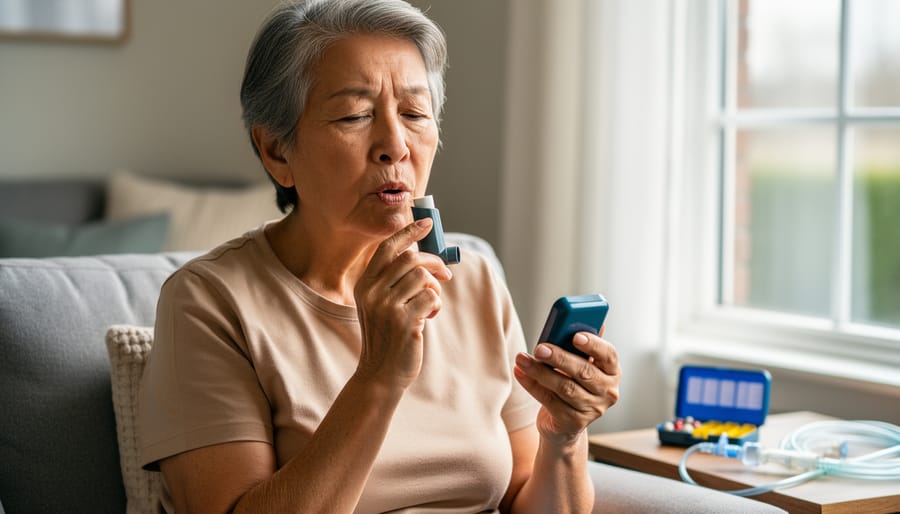
Vaping carries significant risks for people living with COPD, and current evidence shows that inhaling any aerosolized substance, including nicotine e-cigarettes or products like THCP vape online can worsen lung inflammation and respiratory symptoms. If you’re considering vaping as an alternative to smoking or exploring cannabis products for symptom management, understanding how these devices affect already-compromised airways is essential to protecting your lung function.
Many people with COPD turn to vaping believing it’s safer than traditional cigarettes, or they explore cannabinoid products hoping for relief from breathlessness or anxiety. The reality is more complex. While vaping eliminates combustion and some tobacco toxins, the aerosols still contain irritants, heavy metals, and chemical compounds that trigger inflammation in damaged lung tissue. Research from 2023 through 2026 has increasingly documented cases of acute respiratory decline in COPD patients who vape regularly.
This doesn’t mean judgment. It means you deserve clear information to weigh your options.
The COPD Canada Patient Network takes a patient-and-family centered approach to this conversation. We’ll walk through what happens in your lungs when you vape, what the latest research tells us about safety and risk, how to monitor your symptoms if you currently vape, and how to have productive conversations with your healthcare team without fear of being dismissed or lectured. Your respiratory health is too important for guesswork.
Understanding COPD and Your Lungs
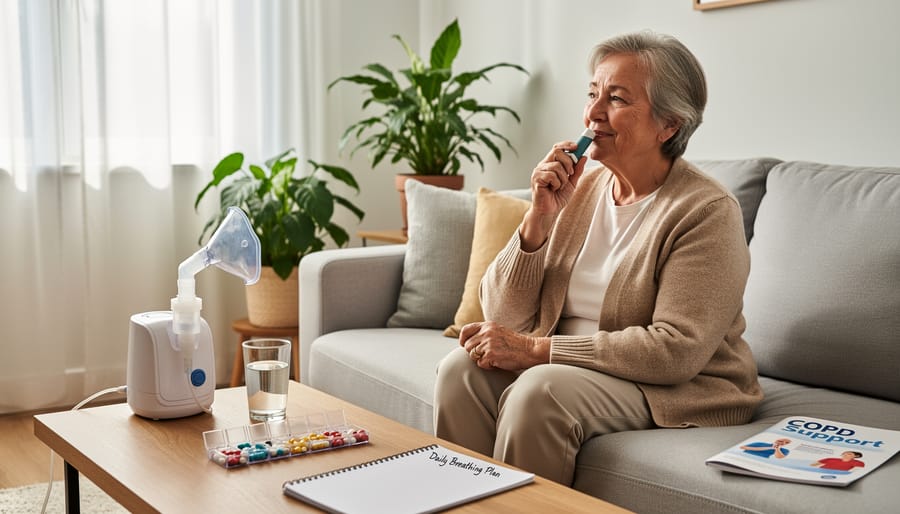
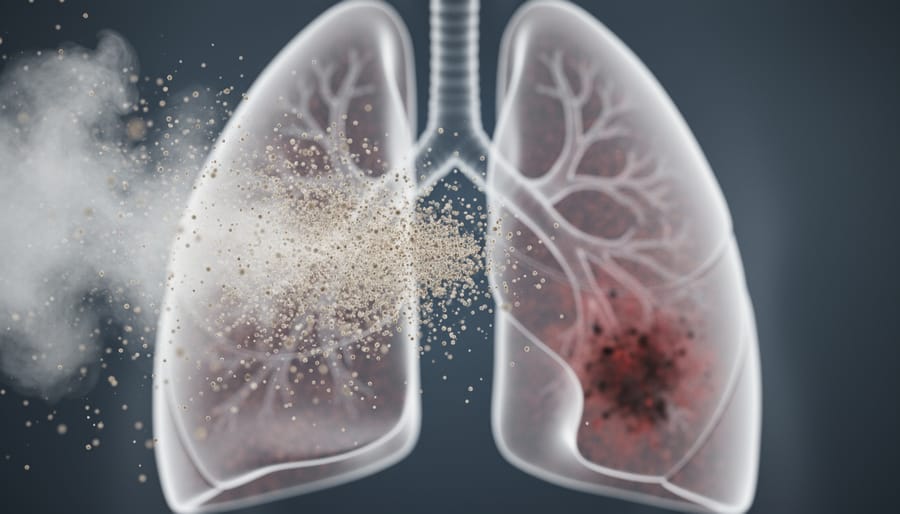
When you have COPD, your lungs work differently than they used to. The disease damages the tiny air sacs (alveoli) where oxygen enters your bloodstream and makes your airways inflamed and narrowed. Think of healthy airways like flexible tubes that expand and contract easily with each breath. In COPD, those tubes become stiff, swollen, and partially blocked with excess mucus.
This damage doesn’t happen overnight. Years of exposure to irritants, whether from smoking, environmental pollutants, or occupational hazards, cause ongoing inflammation that your lungs can’t fully repair. Your airways become hypersensitive, reacting more strongly to irritants that healthy lungs might handle without much trouble.
The protective mechanisms that normally clear your lungs also stop working properly. The tiny hair-like cilia lining your airways, which usually sweep out mucus and debris, become damaged or paralyzed. Your immune response in the lungs becomes both overactive and less effective, creating more inflammation while being less capable of fighting off infections.
This compromised state is why what you breathe matters so much. Your airways are already working overtime to move air in and out. They’re inflamed, producing excess mucus, and struggling with reduced elastic recoil. Any additional irritant, from dust to chemical vapors to heated aerosols, places extra stress on a system that’s already operating at a disadvantage. Your lungs simply have less reserve capacity to handle new challenges, which is why understanding what you inhale becomes critical for managing your condition effectively.
What Vaping Does to Your Respiratory System
What Makes THCp Products Different
THCp, or tetrahydrocannabiphorol, is a cannabinoid that binds to receptors in your body up to 33 times more strongly than regular THC. This means THCp vape cartridges and disposables deliver significantly more potent effects from smaller doses. For someone with COPD, this potency difference creates specific concerns beyond typical vaping risks.
The higher potency means you might inhale less to achieve desired effects, which sounds beneficial. However, the intense binding affinity can trigger stronger physiological responses throughout your body, including your respiratory system. Some patients report more pronounced throat irritation and coughing even with smaller puffs.
THCp products typically use the same carrier oils and thinning agents as other vape cartridges, propylene glycol, vegetable glycerin, or medium-chain triglycerides. When heated, these substances break down into compounds that irritate already-inflamed airways. The concentrated nature of THCp means manufacturers sometimes use additional additives to maintain liquid consistency, potentially exposing your lungs to more irritants.
Disposable THCp vapes present another consideration: you cannot control temperature settings or verify ingredient quality as easily as with refillable devices. Higher temperatures produce more harmful byproducts, and your compromised lungs have less capacity to clear these substances.
The limited research on THCp itself, combined with individual variations in COPD severity, makes it difficult to predict how your specific respiratory system will respond. What feels manageable today might contribute to symptom progression over time.
Research on Vaping and COPD: What We Know in 2026
Symptoms That Should Concern You
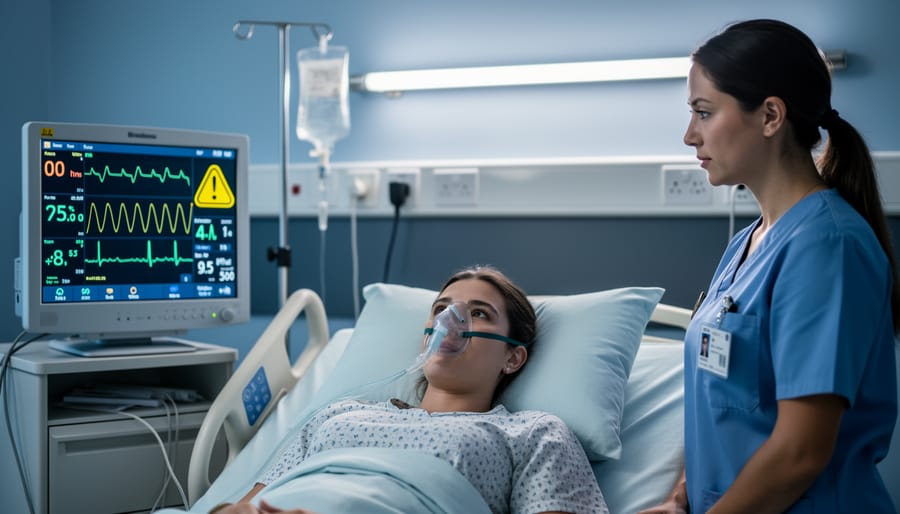
If you’re using vaping products while managing COPD, knowing what symptoms require immediate attention can help protect your respiratory health. Your body often signals when something isn’t working, learning to recognize these warnings makes all the difference.
Watch for increased breathlessness that doesn’t match your usual patterns. If you’re more winded doing activities you normally handle comfortably, or if shortness of breath wakes you at night, this warrants discussion with your healthcare team. Similarly, if you need your rescue inhaler more frequently than typical, your airways are telling you something has changed.
Changes in your cough deserve attention too. A persistent cough that worsens after vaping, produces different-colored mucus (especially yellow, green, or blood-tinged), or becomes more productive than usual may indicate increased inflammation or infection. Chest tightness or pain, wheezing that intensifies, or a feeling of heaviness in your chest shouldn’t be dismissed as “just COPD”, these can signal acute respiratory irritation.
Fever combined with worsening respiratory symptoms requires prompt medical evaluation, as does unusual fatigue that leaves you exhausted beyond your normal COPD-related tiredness. These combinations might indicate infection or exacerbation.
Keep a simple symptom log noting any changes after vaping sessions. This record becomes invaluable during care transitions or appointments, helping your healthcare provider identify patterns and make informed recommendations. Trust your instincts, if something feels different or worse, it’s worth a conversation with your doctor.
Having the Conversation With Your Healthcare Provider
Talking openly with your doctor about vaping or using cannabis products might feel uncomfortable, but honest communication is essential for your safety. Most healthcare providers understand that patients explore various options for symptom relief and aren’t there to judge your choices, they’re there to help you make informed decisions that protect your respiratory health.
Start the conversation by being direct. You might say, “I’m using a vaping product” or “I’m considering trying a THCp cartridge, and I want to understand how it might affect my COPD.” This approach respects your right to people-centered care while giving your provider the information they need to support you effectively.
Come prepared with specifics. Tell them what you’re using (THCp cartridges, CBD vape, nicotine devices), how often, and why you chose this method. If you’re seeking symptom relief, explain which symptoms you’re targeting. This context helps your provider assess risks specific to your situation rather than offering generic warnings.
Don’t hesitate to ask your questions clearly. Important ones include: “How might this affect my current COPD stage?” “What symptoms should prompt me to stop immediately?” “Are there alternatives that would be safer for my lungs?” “How will this interact with my current medications?” Write these down beforehand if it helps you remember.
Share any changes you’ve noticed since you started vaping. Have you experienced increased coughing, more mucus production, shortness of breath during activities that were previously manageable, or more frequent exacerbations? These details help your provider gauge whether vaping is already affecting your respiratory function.
If your provider dismisses your concerns or responds judgmentally, you have the right to seek a second opinion. Your healthcare team should work with you, not against you, to find the safest path forward for managing your COPD while respecting your autonomy over treatment decisions.
Safer Alternatives to Consider
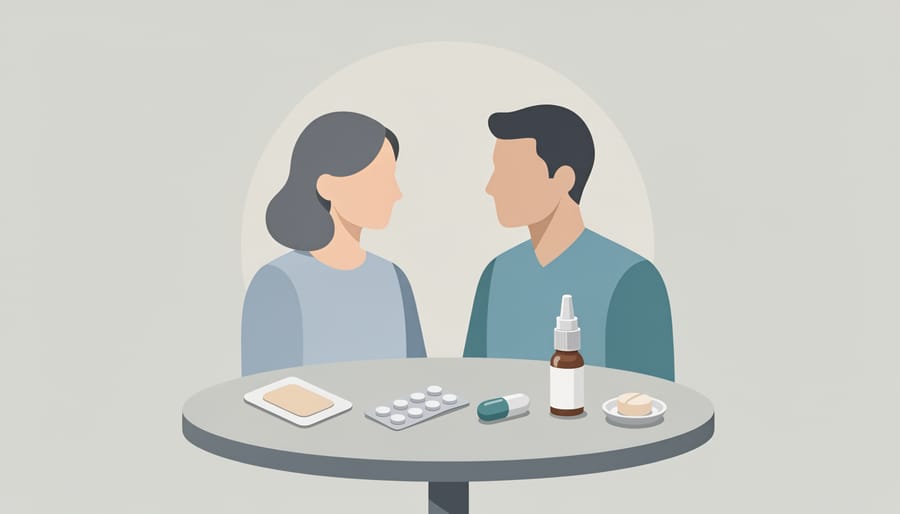
If vaping poses health risks to your already-compromised lungs, you have other options. Whether you’re using cannabis for symptom management or exploring alternatives to traditional medications, choosing delivery methods that bypass your respiratory system can make a meaningful difference in your lung health.
Edible cannabis products, like oils, capsules, or gummies, eliminate inhalation entirely. They take longer to work, typically one to two hours, but the effects last considerably longer than inhaled forms. Start with very low doses (2.5 mg THC or less) and wait at least 24 hours before increasing, since edibles metabolize differently and can feel more potent. This method removes all direct respiratory exposure, though it requires patience and careful dosing to find what works for you.
Sublingual oils and tinctures offer a middle ground. Placed under your tongue, they absorb through mucous membranes rather than your lungs, taking effect in 15 to 45 minutes. You can measure doses precisely, adjust easily, and avoid both respiratory irritation and the delayed onset of edibles. Many patients find this method gives them better control over symptom management.
| Delivery Method | Respiratory Impact | Onset Time | Key Considerations for COPD |
|---|---|---|---|
| Vaping/Smoking | High | Minutes | Direct lung exposure, inflammation risk |
| Edibles | None | 1-2 hours | Delayed onset, longer duration, precise dosing needed |
| Sublingual Oils | None | 15-45 minutes | No lung involvement, adjustable dosing |
| Topical Products | None | 20-60 minutes | Localized relief only, no systemic effects |
Topical creams and patches deliver cannabinoids through your skin for localized relief from muscle tension or joint pain. They won’t address systemic symptoms or provide the effects some patients seek, but they carry zero respiratory risk.
If you’re considering these alternatives specifically to reduce lung irritation while maintaining cannabis use, be honest with your healthcare provider about your goals. They can help you navigate legal access through medical cannabis programs, discuss potential interactions with your COPD medications, and monitor how different delivery methods affect your overall respiratory function. Some patients find that switching from inhalation to edibles or oils reduces their cough frequency, mucus production, and shortness of breath within weeks.
Your choice depends on what symptoms you’re managing, how quickly you need relief, and your willingness to experiment with timing and dosing. The common thread across all these alternatives: protecting your lungs from further harm while still addressing your needs.
Making an Informed Decision That’s Right for You
Your decision about vaping with COPD is deeply personal. What works for one person may not work for another, and what feels right today might need reassessment tomorrow. The key is building a framework that honours both your health needs and your quality of life.
Start by getting honest with yourself about why you’re considering vaping. Are you managing pain, anxiety, or sleep issues? Seeking social connection? Experimenting with symptom relief? Understanding your motivation helps you evaluate whether vaping addresses the root concern or if other approaches might work better without respiratory risk.
Next, consider your current lung function and COPD stage. Someone with mild, stable COPD faces different risks than someone with severe disease or frequent exacerbations. Review your recent spirometry results with your healthcare team and discuss how additional airway irritation might affect your trajectory.
Weigh the immediate benefits you experience against potential long-term consequences. If vaping helps you sleep better tonight, does that outweigh the possibility of accelerated lung function decline over months or years? This calculation is uniquely yours, but it shouldn’t be made in isolation.
Your healthcare team brings essential perspective. They know your complete medical picture, including medications, comorbidities, and treatment goals. Schedule a dedicated conversation to explore your options together. Bring questions. Share your concerns. Most providers would rather discuss vaping openly than discover you’re doing it alone without medical oversight.
Remember, choosing not to vape doesn’t mean dismissing your needs. It means prioritizing alternatives that protect your respiratory health while still addressing the underlying issue you were hoping to manage.
Living with COPD means making countless decisions about your health every day, and whether to use vaping products like THCp cartridges is just one of them. What matters most isn’t following a one-size-fits-all rule, but understanding how your choices affect your unique situation.
You know your body better than anyone. When you notice changes in your breathing, increased mucus production, or other concerning symptoms, that’s valuable information to share with your healthcare team. They can’t support you effectively if they don’t have the full picture, and most providers would rather help you manage risks than see you avoid the conversation altogether.
The COPD Canada Patient Network exists to support you through these complex decisions. Whether you’re weighing the pros and cons of vaping, looking for alternative symptom management strategies, or simply need someone who understands what it’s like to live with COPD, resources are available.
Your respiratory health is too important to navigate alone. Stay curious, ask questions, monitor how you feel, and keep those lines of communication open with your care team. That’s how you take control of your health journey while living with COPD.