Why Chronic Pain Memes Resonate So Deeply (And What They Reveal About Living With COPD)
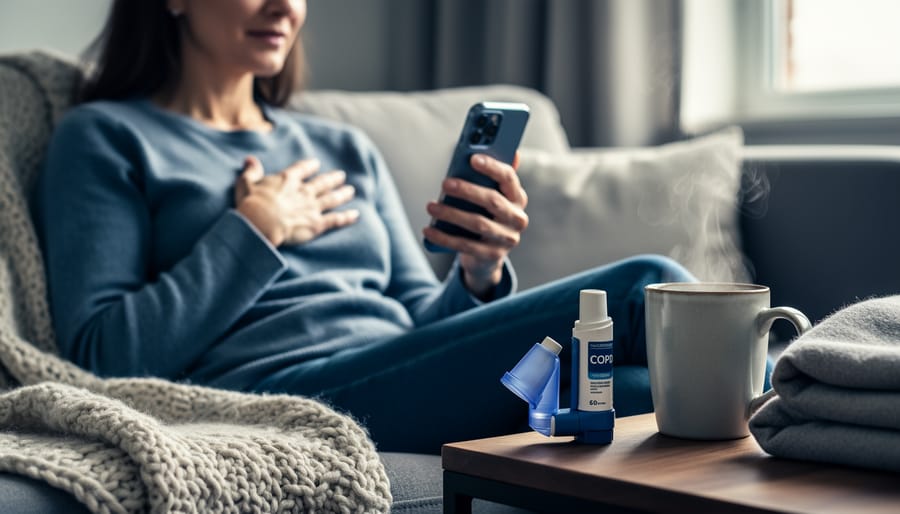
Living with chronic pain can feel isolating until you discover a meme that captures exactly what you’re going through, and suddenly you’re part of a community of eight million Canadians who get it. These memes do more than make you laugh. They validate your experience, create solidarity when well-meaning friends don’t understand why you cancelled plans again, and offer a small moment of relief when the pain itself won’t let up. For people living with COPD, chronic pain isn’t just an abstract concept. It’s the chest tightness that steals your breath, the muscle fatigue from working harder to breathe, and the anxiety that accompanies both.
Humor might seem like an unlikely coping tool for something as serious as chronic pain, but research consistently shows that laughter reduces stress hormones and can actually change how we perceive pain. When you share a meme about needing a nap after your nap, or rating your pain level as “just existing hurts,” you’re not minimizing your experience. You’re reclaiming control over your narrative in a way that feels authentic.
This article explores how chronic pain memes have become a legitimate form of peer support, why they resonate so deeply with the COPD community, and how to balance humor with the practical health management your condition requires. You deserve both validation and effective care. Sometimes a meme delivers the first, opening the door to pursuing the second.
The Truth Behind the Laughter: What Chronic Pain Memes Really Express
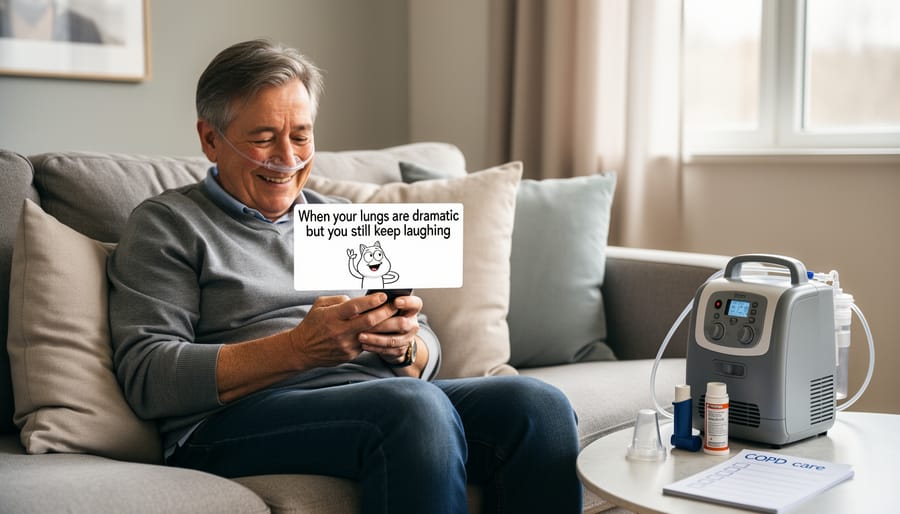
When someone posts a meme about rating their pain as “7 out of 10 but still at work,” they aren’t just making a joke. They’re articulating a reality that’s nearly impossible to explain in ordinary conversation: the constant mental calculus of chronic pain, the way you learn to function through discomfort that would send others to the emergency room, and the exhausting performance of appearing “normal” when your body screams otherwise.
For the eight million Canadians living with chronic pain, including those managing COPD, memes serve as a psychological release valve. They transform invisible suffering into visible, shareable content that says “this is real, this matters, and you’re not imagining it.” When traditional language falls short, how do you describe the bone-deep fatigue that comes with oxygen deprivation, or the anxiety of not knowing if today will be a breathing day or a struggling day?, humor steps in where words fail.
Memes give chronic pain patients permission to acknowledge their reality without the burden of justifying it to every person who asks “but you look fine.”
This validation matters enormously for COPD patients who navigate pain that doesn’t fit neat categories. The chest tightness that makes sleep impossible. The muscle fatigue from working harder to breathe. The ache in your shoulders and neck from unconsciously tensing against breathlessness. These aren’t the dramatic, visible injuries that garner sympathy. They’re the grinding, persistent discomforts that healthcare providers sometimes dismiss and friends struggle to comprehend.
Creating and sharing pain memes also serves as a form of advocacy. Each post that resonates with hundreds or thousands of others chips away at the isolation and doubt that chronic conditions breed. When someone with COPD shares a meme about explaining to their doctor that “yes, I’m still tired even though I slept 10 hours,” and fifty people respond with “felt this in my soul,” something powerful happens. The patient realizes their experience isn’t a personal failing or an overreaction. It’s a legitimate response to living with a condition that affects every breath, every movement, every day.
The psychology is straightforward: humor doesn’t erase pain, but it reclaims agency over the narrative. Instead of being defined by their condition, patients define their relationship with it through wit, irony and shared recognition.
Common Themes in Chronic Pain Memes That COPD Patients Will Recognize
Scroll through any chronic pain support group, and you’ll see the same memes pop up again and again. They’re funny because they’re painfully true, and if you have COPD, you’ve probably lived every single one of them.
The Invisible Illness Reality
“You don’t look sick” memes resonate deeply because COPD doesn’t announce itself visually until it’s advanced. Your lungs are struggling, your chest feels tight, and you’re exhausted from the effort of breathing, but people see you standing upright and assume you’re fine. The disconnect between how you feel and how others perceive you creates isolation that humor helps bridge.
The Pain Scale Comedy
Medical pain scales from one to ten become absurd when you live with chronic discomfort. COPD patients know this well. That persistent chest tightness, the aching intercostal muscles from labored breathing, the fatigue that settles into your bones, where does that land on the scale? A “five” means you can still function, but it’s also a five you’ve lived with for months. Memes about rating your pain a “seven” while grocery shopping capture this impossible calibration.
Doctor’s Office Translation Struggles
“How do I explain this without sounding dramatic” memes hit home when you’re trying to describe breathlessness that comes in waves, or the anxiety that compounds physical symptoms. COPD patients often struggle to convey how muscle fatigue from constant respiratory effort differs from regular tiredness. You need your doctor to understand, but you don’t want to seem like you’re exaggerating.
Unsolicited Advice Overload
Everyone becomes a respiratory expert when they learn you have COPD. Memes about well-meaning friends suggesting essential oils, special diets, or “just breathe deeper” provide comic relief from genuinely frustrating interactions. These suggestions, however kindly meant, reveal how little people understand about chronic lung disease.
The Energy Management Crisis
“Spoon theory” memes speak to anyone rationing their daily energy. With COPD, showering might cost you two hours of recovery time. You budget your breath the way others budget money, calculating whether you have enough left for that second errand or conversation.
Good Days Versus Bad Days
Memes about finally feeling decent and immediately overdoing it are COPD life in a nutshell. Your lung function fluctuates, and on better days, you forget your limitations until you’re halfway through an activity and suddenly can’t catch your breath.
The Isolation No One Sees
Staying home because you can’t predict your breathing, declining invitations because stairs are involved, watching life happen through social media, these isolation memes validate experiences many COPD patients face but rarely discuss openly. Seeing them shared by others reminds you that eight million Canadians living with chronic pain understand exactly what you mean.
How Meme Culture Builds Community for Those Living With Chronic Pain
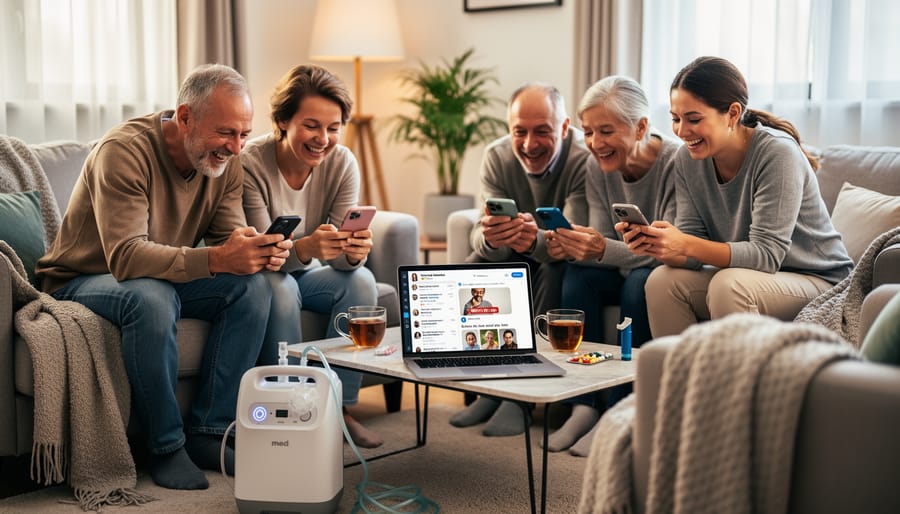
When you share a chronic pain meme that nails exactly how it feels to wake up already exhausted, and three people immediately comment “THIS,” you’ve found your people. That instant recognition creates connections that transcend geography and time zones, building virtual support networks where the eight million Canadians living with chronic pain can find understanding without explanation.
Social media transforms isolated experiences into shared realities. A COPD patient in Vancouver scrolling through their feed at 3 AM during a flare-up discovers they’re not alone, someone in Halifax just posted about the same frustration with energy rationing, and the comment thread becomes an impromptu support group. These organic communities form around hashtags, Facebook groups, and Instagram accounts dedicated to chronic illness humor, creating spaces where you don’t have to justify why climbing stairs felt like a marathon today.
The beauty of meme-based communication is its efficiency. Instead of writing lengthy explanations about invisible symptoms or the guilt of cancelled plans, you share an image that captures it perfectly. Your online community gets it immediately because they live it too. This shorthand creates belonging in a way that traditional healthcare settings often can’t replicate, your rheumatologist might understand COPD clinically, but they’ve never scrolled their phone at midnight desperate to feel less alone.
Patient-to-patient connections through meme culture fill gaps that medical appointments leave open. Your doctor addresses symptoms and treatment plans in fifteen-minute blocks, but your online community validates the emotional weight of living with chronic conditions around the clock. They celebrate your good days, commiserate through flare-ups, and remind you that needing rest isn’t weakness. That’s powerful medicine traditional healthcare can’t prescribe.
When Humor Helps and When It Hurts: Finding Your Balance
Laughing at a relatable meme about the absurdity of the 1-10 pain scale can lift your spirits on a difficult day. That same meme, though, should not become a substitute for telling your care team when your chest tightness worsens or your breathlessness changes. The line between healthy coping and avoiding necessary conversations matters more than most people realize.
Humor works best when it complements your healthcare routine rather than replacing it. Sharing memes privately with friends who understand your struggles provides emotional release without compromising your medical care. Using that same humor during appointments, however, might inadvertently downplay symptoms your healthcare provider needs to assess seriously. Many COPD patients joke about “having a good lung day” when they mean their breathing improved slightly, but your doctor needs specific details about your oxygen saturation, exercise tolerance, and symptom frequency to adjust your treatment plan effectively.
Think of memes as one tool in a larger toolkit. They validate your experience and connect you with others who get it. They do not replace spirometry tests, medication reviews, or frank discussions about declining function. Empathy in healthcare means your providers should welcome your whole self, including how you cope emotionally, while still addressing clinical realities.
Set a personal boundary: if you notice yourself scrolling through pain memes instead of scheduling that overdue follow-up, or if joking about symptoms helps you avoid confronting a scary decline, pause. People-centered healthcare depends on honest two-way communication. You can laugh with your online community at night and still show up prepared with symptom logs and questions the next morning. Both matter.
Chronic pain memes aren’t frivolous, they’re a valid form of expression that helps eight million Canadians living with chronic pain feel understood and connected. These shared moments of humor build community and provide validation that traditional healthcare settings sometimes can’t offer alone. If you find comfort in memes, don’t hesitate to mention this coping strategy to your healthcare providers; it opens conversations about what you’re actually experiencing day-to-day. Connect with Pain Canada’s #PrioritizePain campaign or explore resources at COPD Canada Patient Network to find support beyond the screen. COPD patient stories remind us that finding your own ways to cope, whether through humor, community, or advocacy, is part of taking charge of your health journey while staying engaged with your care team.